Hydrangeas: Facts You Didn't Know
Posted on 05/10/2025
When it comes to beautiful blossoms that can turn any garden into a picturesque landscape, Hydrangeas are undoubtedly in the top league. Often admired for their intricate blooms and color diversity, these flowering plants are much more than meet the eye. In this article, we'll delve into some surprising facts you didn't know about Hydrangeas.
1. Color Variations Are Soil Dependent
One of the most fascinating aspects of Hydrangeas is their unique ability to change color based on soil pH. Hydrangeas typically bloom in shades of blue in acidic soil (pH of around 5.5 or lower) and turn pink in alkaline soils (pH of 6.5 and higher). For those who wish to experiment with color, adding lime to your soil will make it more alkaline, while sulfur or aluminum sulfate can make it more acidic.

2. Origins and Varieties
Hydrangeas are native to Asia and the Americas, with over 70 species known worldwide. In Japan, Hydrangeas (known as Ajisai) hold cultural significance and are often seen during the rainy season. The most common garden variety is the Hydrangea macrophylla, which boasts large clusters of blooms.
3. Multiple Bloom Cycles
Unlike many other flowering plants, some types of Hydrangeas, particularly the 'Endless Summer' variety, can bloom multiple times during the growing season. This repeat blooming trait makes them particularly valuable for gardeners who wish to enjoy prolonged floral displays.
4. Hydrangeas Have Medical Uses
Ancient cultures have used Hydrangea roots for medicinal purposes. Native Americans used to harness Hydrangea root for its diuretic properties to help treat kidney stones and other urinary tract issues. However, it's important to note that while some components are used medicinally, Hydrangea leaves and buds can be toxic if ingested.
5. Symbolism and Meaning
In the language of flowers, Hydrangeas have multiple symbols attributed to them. They can represent heartfelt emotion, gratitude, and even boastfulness. In various cultures, giving a bouquet of Hydrangeas is a gesture of expressing the giver's heartfelt emotions.
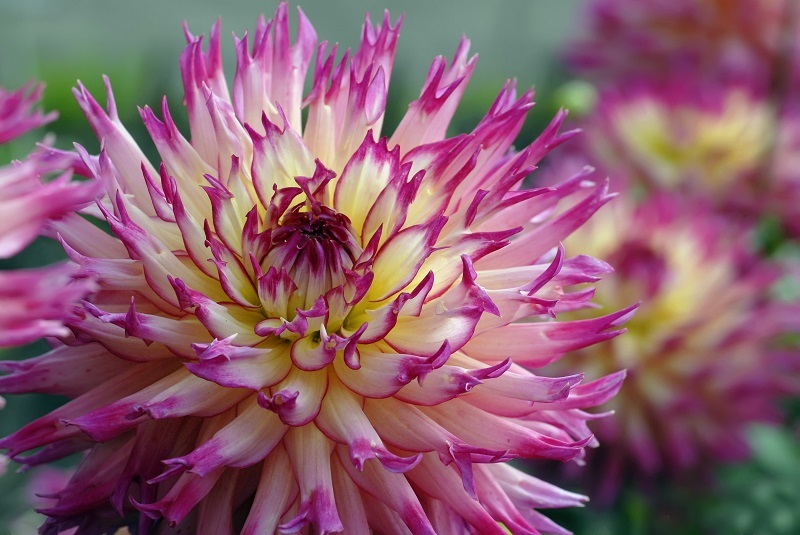
Pros and Cons of Growing Hydrangeas
Pros:
- Versatile Beauty: Hydrangeas come in various sizes and colors, making them perfect for any garden landscape design.
- Easy to Cultivate: These plants are generally low maintenance and can thrive in various soil types.
- Extended Blooming Period: Some varieties, such as the 'Endless Summer,' provide a longer blooming season compared to other flowers.
Cons:
- Soil Sensitivity: The color-changing property based on soil pH can be both a pro and a con. Adjusting soil pH to achieve desired colors requires effort and expertise.
- Pruning Needs: Different types of Hydrangeas require specific pruning methods, which can be confusing for novice gardeners.
- Climate Sensitivity: Hydrangeas can be susceptible to extreme weather conditions, particularly cold winters and hot summers.
Tips for Growing Hydrangeas
- Choose the Right Location: Plant Hydrangeas in areas that receive morning sun and afternoon shade to ensure optimum growth.
- Monitor Soil pH: Regularly test your soil and adjust pH levels accordingly to achieve the desired bloom color.
- Prune Correctly: Understand the specific pruning needs of the Hydrangea variety you have. For example, 'bigleaf' Hydrangeas bloom on old wood and should be pruned after flowering, while 'panicle' Hydrangeas bloom on new wood and can be pruned in late winter or early spring.
- Water Adequately: Hydrangeas prefer well-drained soil but require consistent moisture, especially during dry periods.

Takeaways
Hydrangeas are more than just pretty flowers. Their ability to change color based on soil pH, medical uses, and rich symbolism make them extraordinary additions to any garden. While they may have specific needs and require particular care regarding soil type and pruning, their extended blooming period and visual appeal more than compensate for the effort.
Conclusion
Hydrangeas offer a fascinating blend of beauty, versatility, and unique characteristics that set them apart from other plants. From their color-changing flowers influenced by soil pH to their cultural and medicinal significance, Hydrangeas are indeed a botanical marvel worth exploring. Whether you are a seasoned gardener or a beginner, these beautiful blooms can add charm and elegance to your outdoor space.
So, the next time you admire a Hydrangea bush, remember there's a lot more to these flowers than meets the eye!
Latest Posts
Transforming Petals: The Enchanting Hydrangea Flower
Best-Lasting Cut Flowers: A Dozen to Choose